
How to Choose the Best CRO for Antibody Discovery (Compared: 7 Key Criteria)
- Philip Gorman
- Feb 11
- 5 min read

Choosing the right Contract Research Organization (CRO) for antibody discovery can make or break your program. Pick the wrong partner, and you're looking at missed timelines, wasted capital, and candidates that fail downstream. Pick the right one, and you accelerate your path to the clinic with high-quality leads and reliable data.
But with dozens of CROs claiming expertise in antibody development, how do you actually evaluate them? Here are the seven criteria that matter most: and what to look for in each.
1. Proven Expertise in Custom Antibody Development
What to look for: Deep knowledge in antigen design, epitope selection, and multiple antibody formats.
The best CROs don't just run assays: they understand the biology behind your target. They should demonstrate expertise in designing antigens that maximize specificity and minimize cross-reactivity. This means they're thinking about epitope mapping, post-translational modifications, and structural considerations from day one.
Ask about their experience with diverse antibody formats:
Monoclonal and polyclonal antibodies
Bispecific antibodies
Recombinant formats (scFv, Fab, VHH)
Antibody-drug conjugates (ADCs)

Strong CROs use end-to-end discovery platforms combining hybridoma technology, phage display, and B-cell cloning. This multi-platform approach increases your chances of finding high-affinity leads, especially for challenging targets.
Red flag: A CRO that only offers one discovery method or can't explain their rationale for platform selection.
2. Speed and Scalability of Production
What to look for: Flexible timelines and seamless transitions from small-scale to mid-scale production.
Time is your most valuable resource in early discovery. Minor delays compound quickly: a two-week slip in antibody production can push your entire screening cascade back by months.
Evaluate whether the CRO can:
Provide rapid turnaround for transient expression (weeks, not months)
Scale flexibly from milligram to gram quantities
Support transitions to stable cell line generation when needed
Adjust batch sizes based on your screening needs
Ask specifically about their production timelines for initial screening candidates versus lead optimization candidates. The best partners maintain separate workflows optimized for speed versus scale.
3. Comprehensive Characterization & Functional Screening
What to look for: Multi-assay characterization that goes beyond basic binding data.
High-quality characterization data at early stages prevents expensive failures later. Your CRO should provide comprehensive profiling that includes:
Binding characterization:
Surface plasmon resonance (SPR) for kinetics (kon, koff, KD)
ELISA for specificity and cross-reactivity
Flow cytometry for cell-based binding
Functional validation:
Cell-based assays demonstrating biological activity
Neutralization or inhibition studies
Target engagement assays
Early developability profiling:
Stability assessments
Aggregation propensity
Preliminary immunogenicity risk
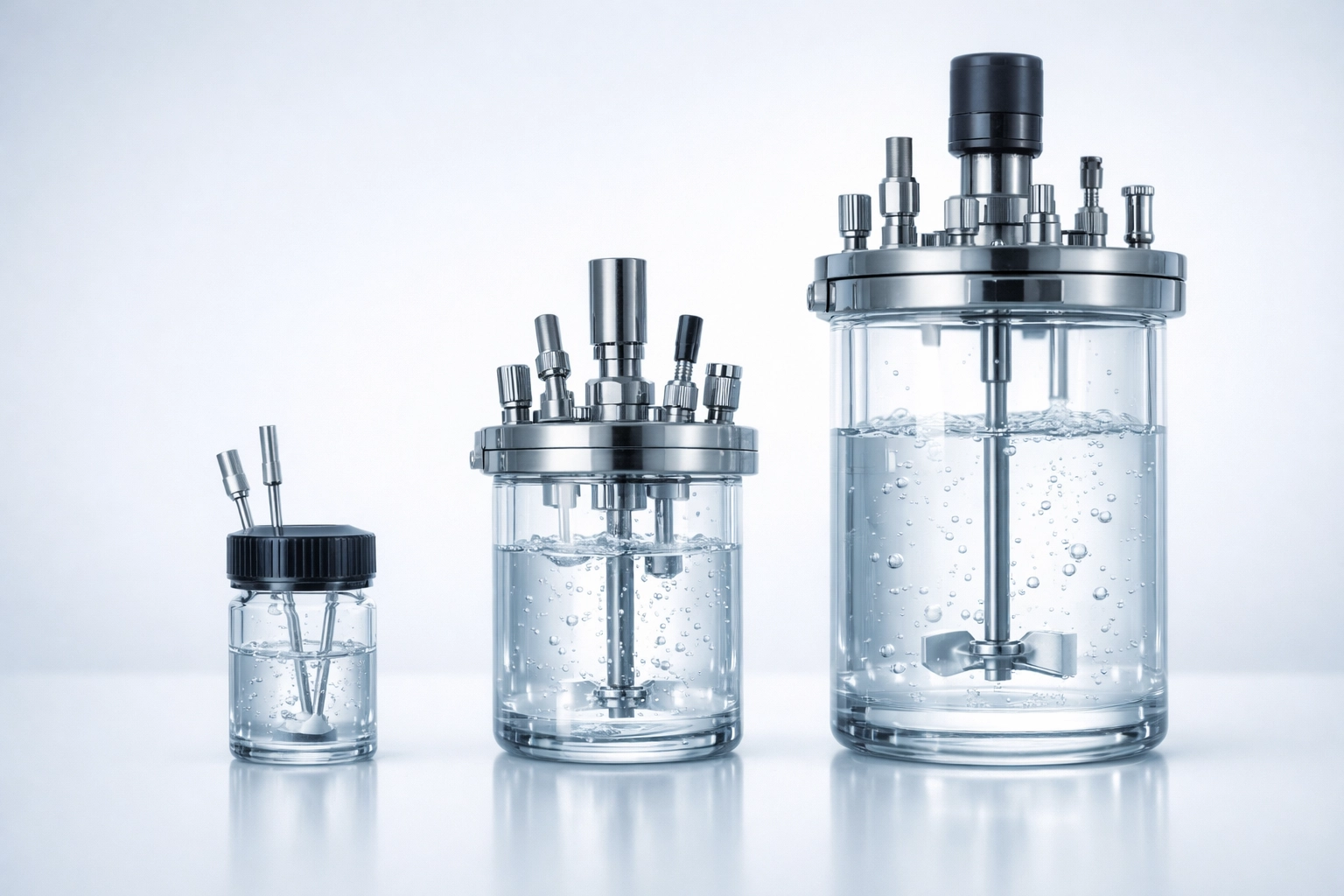
The goal isn't just to identify binders: it's to identify developable binders that have a realistic shot at becoming drugs.
Red flag: CROs that only provide binding affinity data without functional validation or developability screening.
4. Advanced Engineering & Humanization Capabilities
What to look for: Experience optimizing antibodies for specific therapeutic applications.
Raw discovery candidates almost never go straight to the clinic. They need optimization: sequence improvements, humanization, format engineering, or conjugation chemistry for ADCs.
Your CRO should have demonstrated capabilities in:
Humanization with maintained affinity
Affinity maturation through rational design or directed evolution
Format conversion (e.g., IgG to scFv to bispecific)
Engineering for improved stability or reduced immunogenicity
Conjugation site selection and linker chemistry (for ADCs)
Ask to see examples of before-and-after optimization data. The best CROs can show you cases where they improved KD by 10-100x or significantly enhanced stability without losing potency.
5. Regulatory and CMC Compliance Readiness
What to look for: GxP-compliant facilities and regulatory-ready documentation.
Even if you're years away from IND filing, partnering with a CRO that understands regulatory requirements saves enormous time and headaches later.
Confirm they can provide:
Work conducted in GxP-compliant facilities
Validated assays meeting ICH guidelines
Comprehensive CMC documentation (identity, purity, potency)
Data packages structured for FDA/EMA submission
Chain of custody and batch record documentation

The difference between a research-grade antibody and a preclinical candidate often comes down to documentation. A regulatory-savvy CRO builds that documentation in from the start rather than trying to reconstruct it later.
Pro tip: Even if your CRO isn't doing full GMP manufacturing, their upstream work should be conducted with GxP principles to ensure smooth tech transfer.
6. Transparent Communication & Collaborative Approach
What to look for: Proactive updates, clear workflows, and genuine partnership mentality.
Technical capabilities matter, but so does working style. The best CRO relationships feel like an extension of your internal team: not a black box where you send requirements and hope for results.
Evaluate their communication practices:
Do they provide clear, step-by-step workflow overviews?
How often do they send progress updates?
Are they proactive about flagging potential issues?
Do they offer strategic input, or just execute your specs?
How responsive are they to questions and protocol adjustments?
A good CRO combines technical expertise with problem-solving culture. They should be thinking alongside you about program strategy, not just running assays on autopilot.
Interview tip: Ask the project manager (not just the business development contact) about their communication cadence and decision-making process when unexpected results arise.
7. Proven Track Record with Case Studies & Client Success
What to look for: Specific examples in your therapeutic area or with comparable targets.
Every CRO claims success. The differentiator is demonstrated success in contexts similar to yours.
Request:
Case studies in your therapeutic area (oncology, immunology, neurology, etc.)
Examples with similar target classes (GPCRs, ion channels, immune checkpoints, etc.)
Client references you can contact
Publication track record
Antibodies that progressed to clinical trials
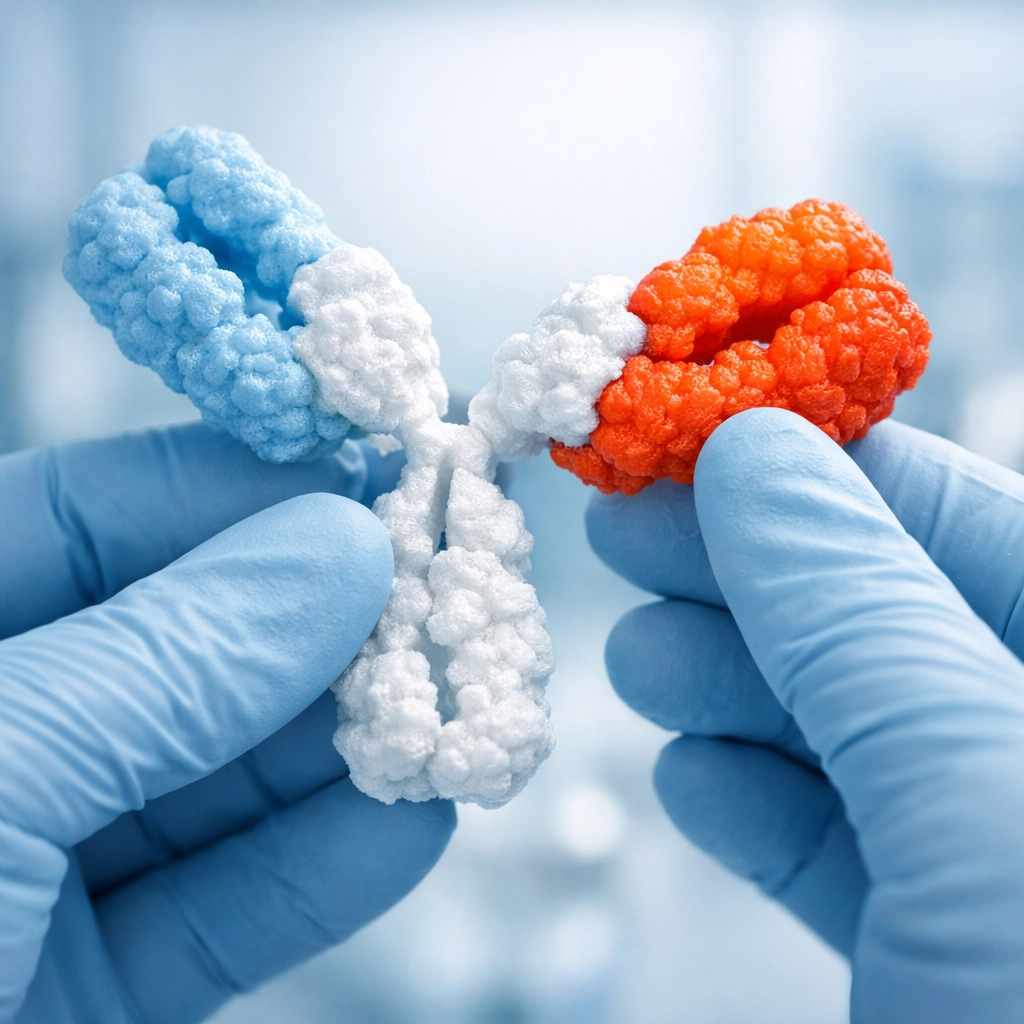
A strong portfolio shows consistent success across multiple programs and therapeutic areas: not just one-off wins. Pay attention to how they handled challenging targets or pivoted when initial strategies didn't work.
Red flag: Vague claims of "hundreds of successful projects" without specific examples or client references.
Additional Factors to Consider
Beyond the seven core criteria, evaluate:
Expression systems: Do they offer both CHO and HEK293 platforms? Can they guide you on which system is optimal for your specific antibody format and timeline?
Quality control: What analytics capabilities do they have in-house? Strong CROs don't outsource critical QC: they maintain it internally to ensure reproducibility.
Cost structure: Transparent pricing with clear deliverables at each milestone. Beware of CROs that require large upfront payments without staged deliverables.
Flexibility: Can they adapt protocols mid-program if your priorities shift? Rigid, one-size-fits-all approaches rarely work in early discovery.
Making Your Decision
Selecting a CRO isn't just a procurement decision: it's a strategic partnership that shapes your entire antibody program. The right partner brings technical expertise, regulatory savvy, and collaborative problem-solving that accelerates your timeline and improves your odds of success.
Don't base your decision solely on cost or speed. The cheapest or fastest CRO might cut corners that create problems downstream. Focus on finding a partner with proven capabilities in your specific therapeutic context and a communication style that matches your team's working style.
Need help evaluating CRO options for your antibody program? PNG Consulting specializes in helping biotech startups navigate CRO selection and oversight. We can help you assess proposals, negotiate contracts, and provide ongoing project management to ensure you're getting the quality and results you need. Schedule a consultation to discuss your program.
Comments